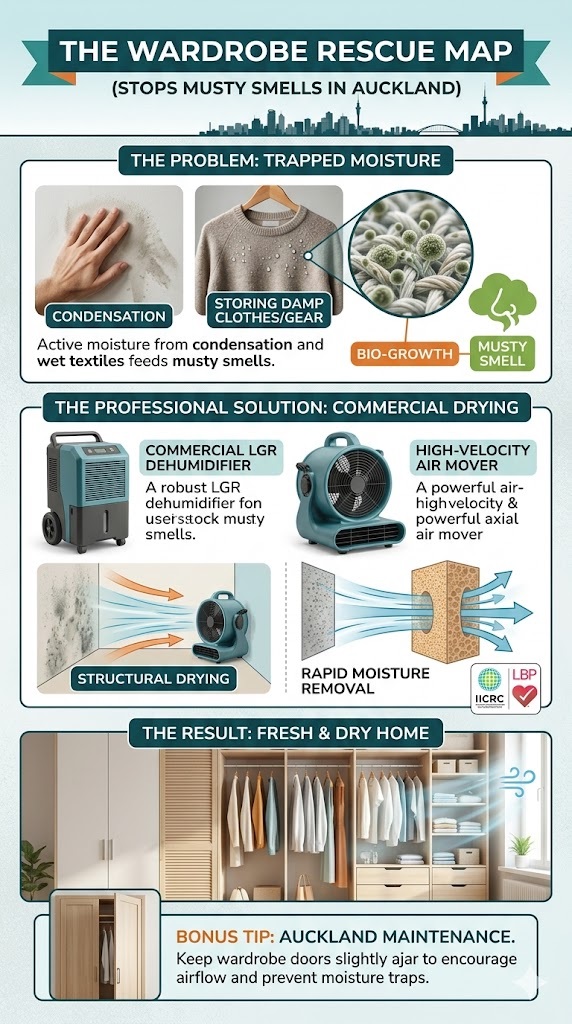
Living in Auckland, we all know that bone-chilling winter dampness. It isn’t just uncomfortable; it’s actually changing the air you breathe. When your home traps too much moisture, your respiratory system pays the price, often leading to persistent coughs or worsened asthma.
High indoor humidity during winter triggers respiratory issues like asthma by promoting mould growth and dust mites. Maintaining levels between 30% -> 50% is essential to protect your lungs and keep your home environment healthy and dry throughout the colder months in New Zealand.
Winter Humidity Health Impact
| Humidity Level | Potential Health & Home Impact | Action Required |
| Below 30% | Dry skin, irritated throat, respiratory tract vulnerability. | Use a humidifier sparingly. |
| 30% -> 50% | Ideal Range: Minimal pathogen growth and optimal comfort. | Maintain current ventilation. |
| 50% -> 60% | Dust mite population begins to increase rapidly. | Increase airflow or use a heater. |
| Above 60% | Visible mould growth, heavy condensation, high allergen risk. | Immediate dehumidification. |
Source: World Health Organization Guidelines for Indoor Air Quality (2010)
🌧️ The Link Between Auckland Humidity and Your Lungs
When the humidity in your Auckland villa or townhouse climbs above 60%, the air becomes a soup of organic triggers. High moisture allows mould spores to bloom in corners and behind furniture. These spores are tiny enough to be inhaled deep into your lungs, causing inflammation.
I’ve spent years as a Licensed Building Practitioner looking into wall cavities. It’s often shocking how much moisture is trapped where you can’t see it. This “hidden damp” constantly releases allergens into your living space, making it nearly impossible to shake off winter respiratory bugs.
Dust mites also thrive in this wet environment. They don’t drink water; they absorb it from the air. In a humid Auckland winter, their population explodes, further irritating the airways of anyone sensitive to allergens. Keeping the air dry is your first line of defense.
Contrasting View: While high humidity promotes biological growth, some HVAC engineers argue that modern airtight homes without mechanical heat recovery systems make humidity control nearly impossible without active dehumidification.
🏠 From the Floor Up: How Damp Textiles Ruin Air Quality
Your carpets act like a giant filter for your home. However, when humidity is high, the yarns and secondary backing of the carpet soak up airborne moisture. This creates a damp environment right at floor level, where your kids and pets spend most of their time.
In our experience servicing Auckland homes, we often find that carpets in humid rooms feel slightly “tacky” or cold. This is a sign that the materials are holding onto water. If left unchecked, this moisture leads to microbial growth within the carpet base.
As an IICRC-certified technician, I’ve seen many “clean” looking carpets that are actually holding significant biological loads due to high humidity. Regular vacuuming isn’t enough when the threads are damp; you need to extract that moisture to keep the air clean and breathable.
Contrasting View: Dermatologists often point out that while reducing humidity helps the lungs, excessively dry air can exacerbate eczema and other skin conditions by stripping the lipid barrier.
🛠️ Ernie’s Guide to a Drier, Healthier Home
The fastest way to fix respiratory triggers is to control the source. Open your windows for 10 -> 15 minutes every morning to flush out the moisture from overnight breathing. This “cross-ventilation” is a basic building principle that many people forget during the cold months.
If you’ve had a leak or your home feels constantly damp, hiring a professional-grade dehumidifier is a game-changer. Our equipment at 7 Hire moves far more air than a standard retail unit. It pulls litres of water out of the materials in your home, not just the air.
Don’t wait for visible mould to appear on your curtains or walls. If your windows are “weeping” every morning, your humidity is too high. Take action early to protect your family’s health and the structural integrity of your Auckland property.
Contrasting View: Economists suggest that while dehumidifiers improve health outcomes, the rising cost of electricity in NZ can make consistent use a financial burden for some households.
Maintenance Advice & FAQs
-
How do I check my humidity? Buy a cheap hygrometer from a local hardware store. It’s the only way to know your “numbers.”
-
Will a heater fix the damp? Heating air helps, but it doesn’t remove the water. You need to vent the moist air out or use a dehumidifier to extract it.
-
How often should I clean carpets in winter? If you have high humidity, a professional steam clean with high-powered extraction helps remove allergens trapped in the yarns.
Key Takeaways
-
Target a humidity range of 30% -> 50% for optimal lung health.
-
High humidity (60%+) encourages mould and dust mites.
-
Carpets and materials act as moisture sinks in damp homes.
-
Ventilation and professional dehumidification are essential Auckland winter tools.
Topic Hub & Further Reading
This article is part of our definitive Complete Healthy Homes Moisture Control Guide for Auckland series.
More from this Hub:
- The Ultimate Guide to Preventing Mould Growth in Auckland Bedrooms
- Why Auckland Homes Suffer From Severe Window Condensation (And How to Stop It)
- What Relative Humidity Should a New Zealand Home Maintain?
Need commercial extraction right away? Visit our Auckland Dehumidifier Hire services page to book immediately.